Table of Contents
- Are earthquakes today aftershocks from centuries old quakes? | Al Bawaba
- Some earthquakes last for seconds, others for minutes — and a few for ...
- Worldwide Surge in 'Great' Earthquakes Seen in Past 10 Years - NBC News
- HD Wallpaper: Earthquake Today Wallpapers
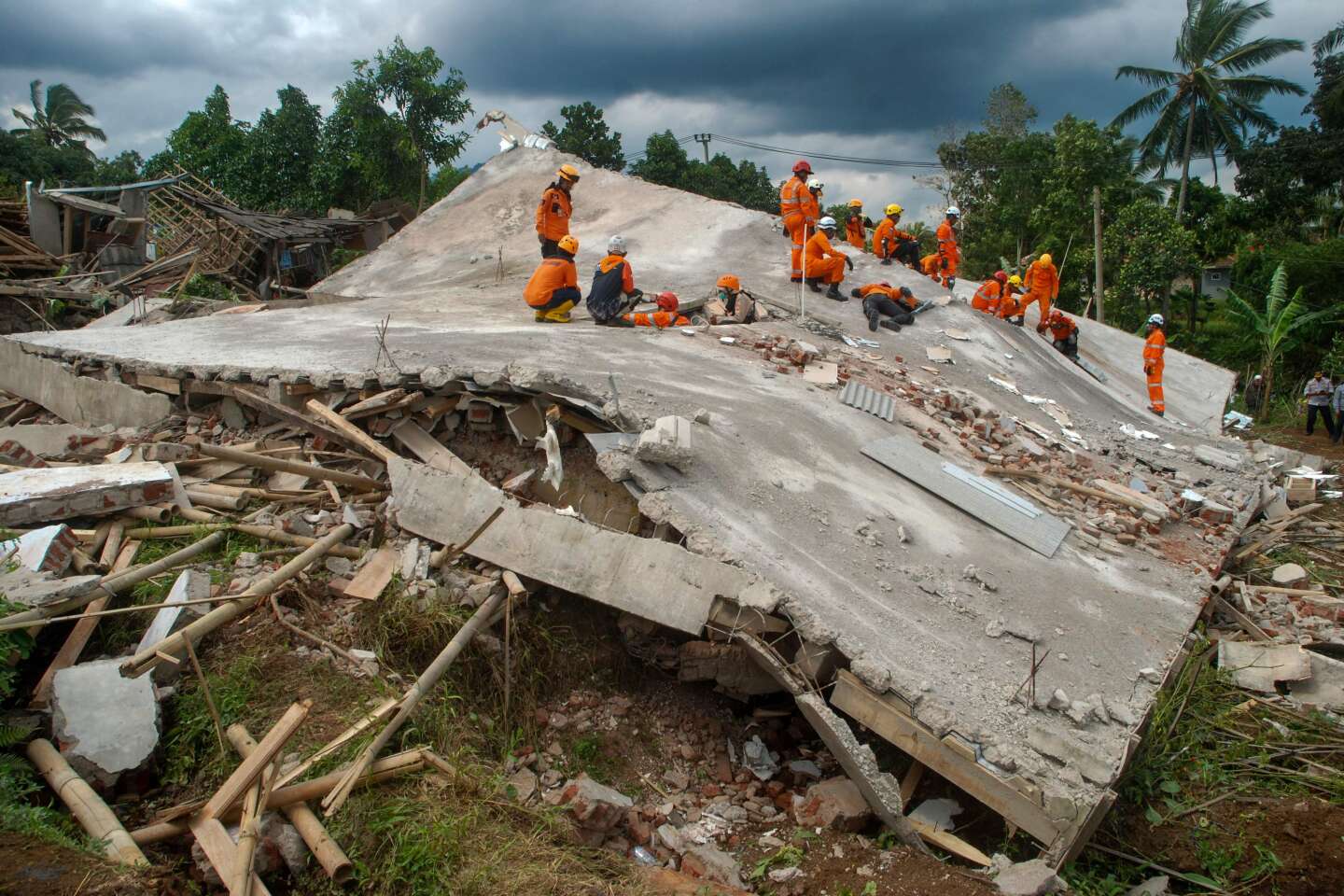
- Indonesia has more than 250 dead, 7,000 displaced and 2,500 houses ...
- Top 5 powerful earthquakes; their economic consequences | Al Bawaba
- Earthquakes 101- What, Why, When, How? – Ore Otegbade – Medium
- World's deadliest earthquakes since 2000 | World News - Hindustan Times
- Earthquake Images
- INTRODUCTION TO EARTHQUAKE - DON STEVE BLOG


Visualizing Seismic Activity


Drilling Down into Earthquake Data



Additional Resources and Tools
The Seismic Monitor is more than just a map; it's a gateway to a broader range of seismic resources and tools. IRIS provides access to: Seismic waveforms: Visual representations of the seismic waves generated by earthquakes, which can be used to analyze the event's characteristics. Earthquake statistics: Summaries of earthquake activity over time, including the number of events, their distribution, and trends. Educational materials: Resources for teachers and students to learn about seismology, earthquake science, and related topics. The Seismic Monitor by IRIS is a powerful tool for anyone interested in understanding earthquakes and the dynamic processes that shape our planet. By providing a comprehensive view of recent earthquakes on a world map, along with detailed data and additional resources, the Seismic Monitor contributes significantly to seismic research, education, and awareness. Whether you're a professional seismologist, a student, or simply someone fascinated by the Earth's natural phenomena, the Seismic Monitor is an indispensable resource that offers insights into the Earth's tremors and much more.Visit the IRIS website to explore the Seismic Monitor and discover the wealth of information it has to offer.